

Crawl Space Mold Remediation in Indianapolis, IN
Musty air upstairs, damp insulation, or visible growth under the house usually starts in one place: the crawl space. The Mold Removers, LLC diagnoses the moisture source, removes the mold, and helps keep it from coming back for homes across Marion County.
Why Indianapolis Crawl Spaces Grow Mold So Easily
Crawl space mold in Indianapolis is common because most of the housing stock, especially the bungalows and post-war ranch homes in neighborhoods like Irvington, Broad Ripple, and the near-eastside, sit on vented crawl spaces built decades before moisture control was part of standard construction. Indiana’s humid continental climate brings warm, wet summers off the Ohio and Ozark air masses, and when that humid outside air meets the cooler soil and framing under a house, condensation forms on joists, subfloor, and ductwork. Add Marion County’s dense clay soil, which drains slowly and holds groundwater close to the surface after heavy spring rain, and many crawl spaces stay damp for weeks after a storm even when the rest of the yard looks dry.
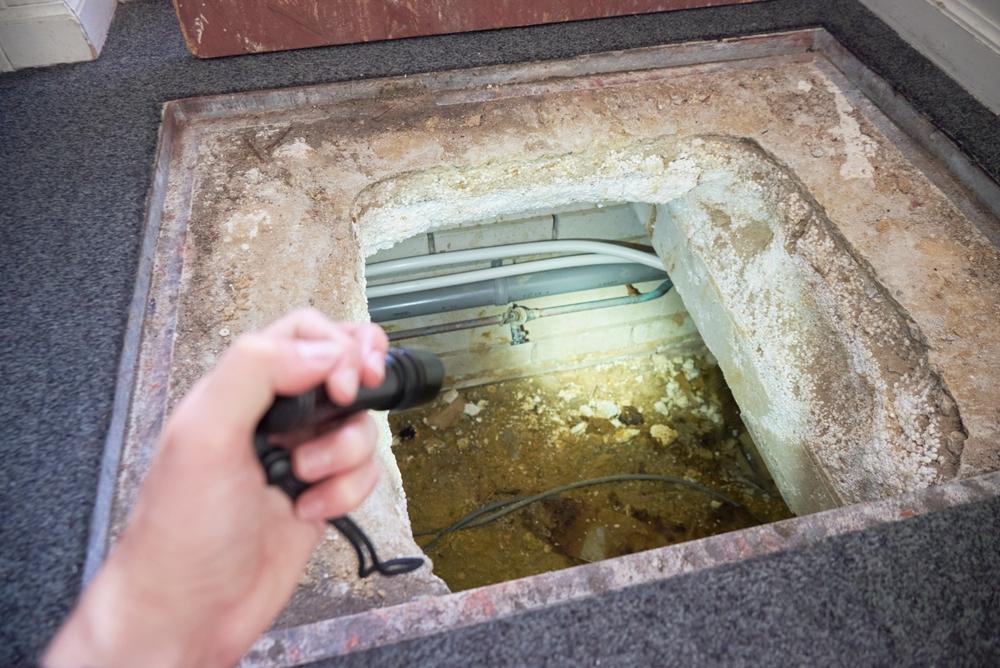
Signs You Have Crawl Space Mold in Your Indianapolis Home
The clearest sign of crawl space mold is a persistent musty odor on the first floor, especially near vents or floor registers, paired with visible dark or fuzzy growth on the underside of the subfloor or on floor joists when you look under the house. Other common signs include sagging or damp fiberglass insulation hanging from the joists, rusted metal ductwork or HVAC components, condensation on water pipes, and a noticeably higher indoor humidity level even when the air conditioning is running.
- Musty smell that gets stronger near floor vents or in a first-floor closet
- Visible mold growth on wood framing, subfloor, or stored items in the crawl space
- Wet, sagging, or discolored batt insulation between the joists
- Standing water or damp soil after rain, sometimes weeks after the storm has passed
- Wood rot or a spongy feeling in flooring above the crawl space
- Increased allergy symptoms or respiratory irritation that improve when away from home
How We Inspect a Crawl Space for Mold
We inspect a crawl space for mold by physically entering the space with proper protective equipment, checking every joist bay and support post, testing relative humidity and moisture content in the wood, and identifying the specific source of intrusion, whether that is grading, a plumbing leak, poor ventilation, or groundwater. We combine this with swab testing on suspect growth and, when needed, indoor air quality testing at the first-floor level to confirm whether spores are migrating into living space.
This step matters because two crawl spaces that look similar on the surface can have very different underlying causes. A crawl space near the White River floodplain or in a lower-lying part of the county may be dealing with a genuinely high water table, while a crawl space in a neighborhood with older clay drain tile might simply have a failed or crushed perimeter drain. Treating the mold without correcting the actual moisture source is why so many DIY bleach treatments and quick fixes fail within a season.
Our Crawl Space Mold Removal Process
Our crawl space mold removal process starts with containment to keep spores from spreading into the rest of the home, followed by physical removal of mold-affected material, HEPA vacuuming and antimicrobial treatment of framing and subfloor, and correction of the moisture source that allowed the mold to grow in the first place. Depending on the severity, this can include removing and replacing water-damaged insulation, cleaning ductwork, and treating exposed wood surfaces.
- Containment: Sealing the crawl space access and any connecting points to the living area before work begins.
- Removal: Physically removing mold-affected insulation, damaged wood, and debris.
- Cleaning: HEPA vacuuming and antimicrobial application on framing, subfloor, and any ductwork present in the space.
- Drying: Using dehumidification equipment to bring the space down to a safe humidity range before closing up any new materials.
- Correction: Addressing the moisture source, whether that means grading, drainage, vapor barrier installation, or encapsulation.
Moisture Control: Solving the Cause, Not Just the Symptom
Moisture control in an Indianapolis crawl space usually means a combination of grading correction, vapor barrier installation over the dirt floor, sealing foundation vents, and in many cases a dedicated crawl space dehumidifier sized to the square footage of the space. Without addressing moisture, mold removal is temporary, since the same humidity and condensation conditions that grew it the first time will simply grow it again within a season or two.
For homes on the east and southeast side, where clay soil drains slowly and many lots were graded decades ago without modern stormwater standards in mind, we often find that regrading around the foundation and extending downspouts makes as much difference as anything done inside the crawl space itself. In homes closer to older drainage infrastructure, we sometimes find crushed or disconnected footer drains contributing water directly under the slab or foundation wall.
Crawl Space Encapsulation and Conditioning
Crawl space encapsulation involves sealing the space with a heavy-duty vapor barrier across the floor and up the foundation walls, sealing vents, and conditioning the air with a dehumidifier so the space behaves more like a sealed mechanical room than an open-air vent. For Indianapolis homes with a history of recurring mold, chronic dampness, or musty odors that keep returning after cleaning, encapsulation is often the difference between a permanent fix and a repeat service call.
We also offer crawl space clean out services to remove old debris, damaged insulation, and abandoned materials before encapsulation, since sealing a space over existing contamination or clutter defeats the purpose of the work.
Related Mold Services We Offer
Crawl spaces rarely exist in isolation from the rest of the house, and homeowners dealing with crawl space mold sometimes have related concerns worth addressing at the same time.
- Basement mold removal and remediation
- Mold inspection and air/swab testing
- Sump pump installation
- Attic mold remediation
Why Indianapolis Homeowners Choose The Mold Removers, LLC
We have been solving mold and moisture problems for more than 20 years, and our certified, insured team has seen how differently a crawl space in Fountain Square behaves compared to one in Fishers or Franklin Township. That local experience shapes how we diagnose a problem instead of guessing. We are proud of our track record, including 100 plus reviews from property owners across the area, but what we hear most often is that people appreciate a clear explanation of what is happening under their home and why, not just a bill at the end.
Crawl Space Mold FAQs for Indianapolis Homeowners
Crawl space mold remediation cost in Indianapolis depends on the size of the crawl space, the extent of the mold growth, and whether moisture correction or encapsulation is needed alongside remediation.
Most crawl space mold removal projects in the Indianapolis area take one to three days, depending on the square footage, the amount of affected material to remove, and whether moisture control work like a vapor barrier or dehumidifier installation is done at the same time. Larger homes or crawl spaces with extensive water damage can take longer.
Crawl space mold can return if the underlying moisture source, such as poor grading, a missing vapor barrier, or high humidity, is not corrected during remediation. That is why we pair mold removal with moisture control and, when needed, encapsulation, rather than treating the visible growth alone.
Crawl space mold can affect indoor air quality, since spores and musty air from a vented crawl space migrate upward into living space through floor penetrations, ductwork, and the stack effect. Homeowners and family members with allergies, asthma, or other respiratory sensitivities are often the first to notice symptoms, even before mold is visible.
Remediation alone is often enough for a crawl space with a single, correctable moisture issue and no history of recurring mold, while encapsulation is worth considering for homes in low-lying areas of Marion County, homes with a history of repeat mold problems, or crawl spaces with persistently high humidity even after remediation. We make a specific recommendation after inspecting the space.
Get Clear Answers About Your Crawl Space
If you have noticed a musty smell, visible mold, or damp insulation under your home, our team is here to help. Reach out to schedule an assessment and protect your property today.