

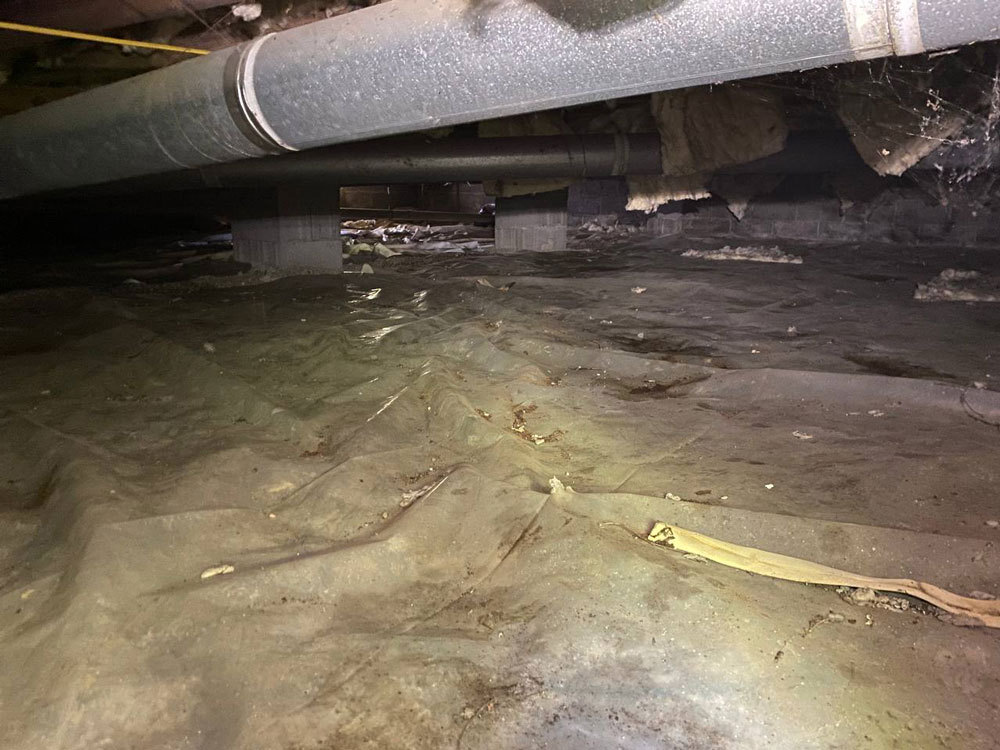
A damp basement after a heavy spring storm, a slow plumbing leak behind drywall, or lingering humidity during a hot Indiana summer can create conditions where mold grows unnoticed. For Indianapolis property owners, recognizing the warning signs early can help uncover moisture problems before additional building materials are affected.
Quick answer: You may need a mold inspection if you notice a persistent musty odor, visible suspicious growth, recurring water damage, unexplained stains, excessive indoor moisture, mold that keeps returning after cleaning, or signs of moisture in hidden areas. An inspection can help determine where moisture is coming from and whether additional areas of the property should be investigated.
What local property owners should know
-
Mold growth depends on moisture, so identifying the water source is an essential part of addressing the problem.
-
Central Indiana receives precipitation throughout the year, making basements, crawl spaces, roofs, and foundation areas worth monitoring for moisture.
-
Bathrooms, kitchens, basements, and HVAC areas are common places to check when moisture or mold is suspected.
-
A musty odor can justify further investigation even when you cannot see obvious growth.
-
Mold inspection is especially useful when the extent or source of a suspected moisture problem is unclear.
Why Mold Problems Matter in Indianapolis
Mold problems matter in Indianapolis because local properties experience rain, summer moisture, winter temperature swings, plumbing failures, and occasional water intrusion, all of which can leave building materials damp enough to support growth. Basements, crawl spaces, attics, bathrooms, and areas around foundations can be particularly important places to monitor.
National Weather Service climate normals for the city show about 43.63 inches of annual precipitation, with measurable precipitation in every month of the year. April through July are particularly wet in the 1991-2020 normals.
That means moisture control is not simply a concern after one major storm. Homes throughout Marion County, from Broad Ripple and Irvington to Fountain Square and neighborhoods around downtown, can experience moisture from roof leaks, plumbing, condensation, foundation seepage, or inadequate ventilation.
The Mold Removers, LLC helps local property owners investigate suspected mold and moisture concerns. We focus on helping clients understand what may be happening inside their property and what next steps may be appropriate.
Local Data and Moisture Guidance
Local public-health guidance emphasizes that moisture control is the key to controlling indoor mold growth. Indiana health resources advise looking for water leaks, standing water, staining, condensation, musty odors, and growth around areas such as bathrooms, kitchens, basements, HVAC equipment, plumbing, roofs, and foundations.
Indiana health guidance also notes that there is no health-based standard establishing a universally safe airborne mold level. In many situations where mold is already visible or readily smelled, finding and correcting the moisture source is more useful than simply trying to identify a particular type of mold.
For property owners, that distinction matters. A professional inspection is not merely about looking for a particular color of growth. It can be useful when you need to understand whether moisture or suspected mold extends beyond what you can readily see.
7 Signs You Need a Mold Inspection in Indianapolis
The clearest signs that you may need a mold inspection are persistent odors, suspicious visible growth, previous water intrusion, unexplained staining, high moisture, recurring growth, and evidence of a hidden moisture problem. One sign may justify investigation, while several occurring together can make a closer inspection particularly worthwhile.
1. A Musty or Earthy Smell That Does Not Go Away
A persistent musty odor can indicate moisture or mold growth somewhere you cannot easily see. Indiana public-health guidance identifies musty or earthy odors as one way occupants may notice a potential mold problem.
If the smell is strongest in a basement, crawl space, bathroom, closet, or near an HVAC area, an inspection can help narrow down where further investigation is needed.
2. Visible Spots or Suspicious Growth
Visible growth or unusual discoloration deserves attention, especially when it appears on drywall, wood, ceilings, flooring, or other materials that have been damp.
Do not assume that color alone tells you what kind of mold is present or how significant the problem is. The more useful questions are why the area became damp, how far the moisture extends, and whether affected materials are hidden behind the visible surface.
3. Recent or Repeated Water Damage
A roof leak, overflowing appliance, burst or leaking pipe, foundation seepage, or basement water event can leave moisture inside porous materials.
This is especially relevant in Indianapolis after periods of heavy rainfall. Even when the visible water has disappeared, drywall, insulation, carpeting, or enclosed cavities may remain damp. Indiana health guidance recommends drying wet materials quickly and correcting the underlying water source.
4. Water Stains or Unexplained Discoloration
Brown ceiling marks, staining around windows, bubbling paint, peeling finishes, or discoloration near baseboards can point to a current or previous moisture problem.
A stain does not automatically mean mold is present, but it does provide a reason to determine where the water came from. This can be especially important in older Marion County properties where plumbing, roofing, or building-envelope issues may be concealed behind finished surfaces.
5. Persistent Condensation or Excess Moisture
Regular condensation on windows, pipes, walls, or other surfaces can indicate that moisture is accumulating faster than the property can manage it.
Bathrooms without effective ventilation, damp basements, and poorly ventilated areas deserve particular attention. Indiana Department of Health information recommends keeping buildings clean and dry and controlling indoor humidity to discourage mold growth.
6. Mold Keeps Returning After You Clean It
Recurring mold often means the underlying moisture source has not been corrected. Cleaning a surface may remove visible growth, but it does not repair a leaking pipe, stop foundation moisture, improve inadequate ventilation, or dry hidden materials.
If the same area repeatedly develops suspicious growth, professional investigation can help shift the focus from repeatedly cleaning the symptom to locating the moisture condition behind it.
7. You Suspect Mold Behind Walls, Flooring, or Other Materials
Hidden moisture is one of the strongest reasons to consider an inspection because the affected area may not be accessible during a normal homeowner walkthrough.
Warning clues can include an unexplained odor, warped materials, soft drywall, staining, previous leaks, or moisture appearing near cabinets and flooring. Indiana health guidance specifically recommends checking behind or beneath furnishings, flooring, wallpaper, sink cabinets, and other materials when investigating moisture and mold.
Common Local Causes of Mold and Moisture Problems
Common local causes include basement or foundation moisture, plumbing leaks, roof problems, condensation, inadequate ventilation, and water that is not properly directed away from the structure. These problems can occur across central Indiana and may affect both newer construction and older properties.
Basements and crawl spaces deserve particular attention because below-grade areas can remain damp after water intrusion. Roof and gutter problems can allow water into attics or walls, while bathroom and kitchen moisture can become a problem when ventilation is inadequate.
Around communities such as Speedway, Beech Grove, Lawrence, and Southport, the basic principle remains the same: find the moisture source first. Without correcting that source, mold-related cleaning may only provide a temporary result.
When to Call a Professional
Consider professional help when you cannot locate the moisture source, suspect hidden growth, have recurring mold, or are unsure how extensive a water-damaged area has become. A homeowner can safely monitor accessible areas for leaks, condensation, odors, and visible changes, but concealed or widespread problems may require a more systematic investigation.
If a small surface spot appears because of an obvious and easily corrected moisture issue, monitoring the area after proper cleaning and drying may be reasonable. If it returns, spreads, or accompanies evidence of hidden water intrusion, further investigation is warranted.
Anyone concerned about possible health effects should discuss those concerns with a qualified medical provider rather than relying on a mold inspection for medical conclusions. Indiana public-health guidance notes that reactions can vary between individuals.
Preventing Mold Problems in Central Indiana
The most effective prevention strategy is to keep building materials dry and correct leaks or moisture problems promptly. Routine checks are particularly useful after strong storms, plumbing problems, roof leaks, basement water events, and seasonal periods when condensation becomes noticeable.
Check gutters and downspouts, look beneath sinks, monitor basements and crawl spaces, use bathroom and kitchen exhaust ventilation, and watch ceilings and walls for new stains. Periodically inspecting roofing, plumbing, foundations, sump pumps, and other moisture-prone areas is also recommended by Indiana public-health guidance.
DIY monitoring should stop when accessing an area would be unsafe, significant building materials are affected, contamination is suspected beyond the visible area, or the moisture source cannot be identified.
Common Mistakes Property Owners Make
The most common mistakes are treating visible growth without addressing moisture, assuming no visible mold means there is no problem, and waiting for water damage to become obvious. A better approach is to treat mold and moisture as connected issues and investigate recurring warning signs.
Mistake: Repeatedly wiping the same growth away.
Consequence: The moisture source may remain active.
Better approach: Determine why that surface keeps becoming damp.
Mistake: Ignoring a musty basement because nothing is visible.
Consequence: Moisture or affected materials may be concealed.
Better approach: Check for leaks, humidity, staining, foundation moisture, and hidden areas.
Mistake: Painting over water staining immediately.
Consequence: A continuing leak can remain hidden behind a fresh finish.
Better approach: Identify and correct the water source before cosmetic repairs.
A Common Indianapolis Mold Scenario
A common local scenario begins with water entering or accumulating in a basement and ends with a musty odor that remains after the obvious moisture is gone. This is an illustrative scenario, not a specific The Mold Removers, LLC customer case.
A homeowner notices damp materials following a period of heavy rain. The accessible floor eventually looks dry, so the issue seems resolved. Weeks later, a musty odor becomes noticeable around stored belongings or a finished basement wall.
Instead of simply masking the smell, the better next step is to investigate whether moisture remains in building materials or whether water is continuing to enter the area.
What to Expect From a Mold Inspection
A mold inspection should help clarify where suspected moisture or mold conditions are located and what deserves further attention. The exact inspection process depends on the property and the conditions discovered, so homeowners should ask their chosen provider what the inspection includes before service begins.
At The Mold Removers, LLC, we can discuss your property concerns and the appropriate inspection options based on the information you provide.
DIY Monitoring vs. Professional Inspection
DIY monitoring works best for obvious, accessible moisture issues, while professional inspection is more appropriate when the source, location, or extent of a suspected problem is uncertain. The choice should depend on what you can safely observe and whether the problem continues after the obvious moisture source has been addressed.
Homeowners can routinely check under sinks, around windows, near appliances, and in accessible basement or attic areas. Professional help becomes more useful when odors have no visible source, mold keeps returning, water entered concealed cavities, or damaged materials are difficult to inspect safely.
Service Areas
Our mold inspection services support Indianapolis property owners and customers in surrounding central Indiana communities. If you are located in Marion County or a nearby community such as Lawrence, Beech Grove, Speedway, or Southport, contact us to confirm service availability for your specific address.
The Cost of Ignoring Moisture and Suspected Mold
Ignoring a persistent moisture problem can allow additional building materials to become wet or damaged and can make eventual repairs more involved. Waiting is particularly risky when water continues entering through plumbing, roofing, foundations, or another unresolved source.
The goal is not to panic at every discolored spot. It is to respond appropriately when the evidence points to an ongoing moisture problem.
Frequently Asked Questions About Mold Inspections
These common mold inspection questions help Indianapolis property owners decide when closer investigation may be useful and what warning signs deserve attention. The right next step depends on whether growth is visible, whether moisture is ongoing, and whether the suspected affected area can be safely inspected.
Do I need a mold inspection if I can already see mold?
If mold is clearly visible, the first priority is generally identifying and correcting the moisture source rather than simply proving mold exists. An inspection can still be useful when you do not know how far the problem extends, where the water originates, or whether other areas may be affected.
Is a musty smell enough reason for a mold inspection in Indianapolis?
A persistent musty or earthy odor is a legitimate reason to investigate further, especially when you cannot locate its source. Check moisture-prone areas first. If the odor continues or appears to come from a concealed wall, floor, basement area, or other inaccessible location, professional inspection may be appropriate.
Are Indianapolis basements more important to check after heavy rain?
Basements are worth checking after significant rain because water can enter or accumulate around below-grade areas, foundations, sump systems, and stored materials. Look for dampness, staining, standing water, odors, and changes to finished surfaces. Promptly identifying and correcting water intrusion reduces the opportunity for mold growth.
Can mold grow after a plumbing leak?
Yes. Mold can grow when building materials remain sufficiently damp, which is why plumbing leaks should be repaired and wet materials dried promptly. Indiana public-health resources recommend cleaning and drying damp materials quickly, with guidance commonly emphasizing the first 24 to 48 hours after materials become wet.
Does black-colored mold automatically mean I have a dangerous mold problem?
No. Color alone does not establish the species, exposure level, or health significance of mold. Indiana public-health guidance emphasizes addressing indoor mold and its moisture source rather than relying on appearance alone. People with health concerns related to possible exposure should consult their healthcare provider.
Should I test the air for mold in my Indianapolis home?
Not necessarily. Indiana public-health guidance notes that routine testing is often unnecessary when mold can already be seen or smelled, and there is no health-based standard defining a universally safe airborne mold concentration. Inspection can instead focus on locating moisture, visible growth, and affected materials.
What should I check after water enters my Marion County home?
Check accessible walls, flooring, baseboards, carpeting, cabinets, basement areas, and other materials that became wet. Also identify why the water entered and make sure the source is corrected. Materials that remain damp or inaccessible areas with continuing odors may warrant professional evaluation.
Can mold come back after cleaning?
Yes. Mold can return if the underlying moisture condition remains. Cleaning visible growth without repairing a leak, reducing condensation, improving ventilation, or stopping water intrusion addresses only part of the problem. Recurring growth is a useful warning that the moisture source needs further investigation.
Protect Your Property by Finding the Moisture Source
Recognizing mold warning signs early gives central Indiana property owners an opportunity to investigate the underlying moisture problem before simply covering, repainting, or repeatedly cleaning the affected area. If you notice persistent odors, recurring growth, water damage, staining, or signs of hidden moisture, The Mold Removers, LLC can help you explore the appropriate next step.
Get Clear Answers About Suspected Mold in Your Indianapolis Property
We can help you investigate mold and moisture concerns so you can make an informed decision about what your property needs next.