

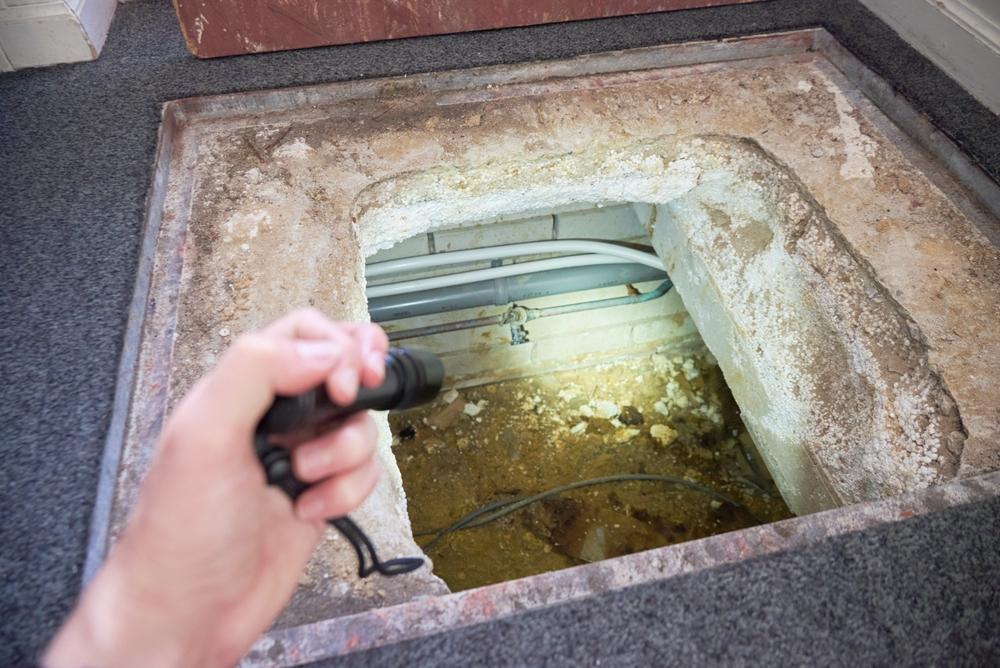
A musty basement after heavy rain, staining near an attic vent, or a lingering damp smell can leave Indianapolis homeowners wondering whether they need mold testing or a mold inspection. The terms sound similar, but they describe different steps in identifying a possible moisture and mold problem.
Quick answer: A mold inspection is an investigation of the property to look for visible growth, moisture sources, water damage, and conditions that could support mold. Mold testing involves collecting air, surface, or material samples for laboratory analysis. Testing can provide additional information in certain situations, but it does not replace a thorough inspection or the need to correct the moisture source.
What local homeowners should know
-
A mold inspection focuses on finding where moisture and suspected mold problems are occurring and what may be causing them.
-
Mold testing collects samples, but results must be interpreted in the context of the building and the conditions found during an inspection.
-
Indianapolis receives precipitation throughout the year, so basements, crawl spaces, roofs, plumbing areas, and foundations deserve regular attention.
-
Homes in Broad Ripple, Irvington, Meridian-Kessler, Fountain Square, and other established neighborhoods can have very different construction and moisture conditions.
-
Visible mold or a persistent musty odor may already provide a reason to investigate the underlying moisture problem rather than relying on testing alone.
What Is a Mold Inspection?
A mold inspection is a systematic evaluation of a home for visible mold, moisture intrusion, water damage, elevated moisture conditions, and other signs that mold growth may be present. The goal is not simply to identify a suspicious spot but to understand why the condition developed and where else moisture may be affecting the property.
An inspection may involve looking at basements, crawl spaces, attics, bathrooms, kitchens, plumbing areas, windows, exterior walls, and other locations where water can enter or condensation can develop.
That matters in Indianapolis because homes experience warm, humid summers as well as cold winters. The National Weather Service describes the area as having four distinct seasons, with warm and humid summer conditions. Those seasonal changes can contribute to condensation, basement dampness, roof leaks, and other moisture concerns when a building has drainage, ventilation, or maintenance problems.
What Is Mold Testing?
Mold testing is the collection of air, surface, or material samples to gather additional information about mold in a building. Depending on the situation, samples may be analyzed by a laboratory to identify mold present in the collected material or air.
Testing is not automatically necessary every time mold is visible. Indiana public-health guidance emphasizes moisture control as the central issue in preventing mold, and local Indiana health guidance notes that visible or noticeable mold often makes confirmation testing unnecessary.
Testing may be considered when the information it provides will help answer a specific question. The important point for Marion County homeowners is that a sample result by itself does not locate the water source, explain why growth occurred, or correct the underlying condition.
Why Does the Difference Matter in Indianapolis?
The difference matters in Indianapolis because successful mold investigation usually starts with the building and its moisture conditions, not simply with a laboratory sample. A test can provide data from a particular place and time, while an inspection can help identify the conditions allowing mold to develop.
The National Weather Service reports a 1991-2020 annual precipitation normal of 43.63 inches for Indianapolis. Spring and early summer are particularly wet, with normal monthly precipitation of 4.34 inches in April, 4.75 inches in May, and 4.95 inches in June.
For local homes, that makes roof drainage, grading, foundation moisture, sump pumps, crawl spaces, and basement conditions important parts of the investigation.
The Mold Removers, LLC serves Indianapolis property owners dealing with mold and water-related concerns. When we evaluate a mold problem, the useful question is not only whether mold exists. Homeowners also need to understand where moisture is coming from and what conditions need attention.
What Are Common Warning Signs of a Mold Problem?
Common mold warning signs include visible growth, persistent odors, recurring moisture, staining, and building materials that remain damp after a leak or water event. Indianapolis homeowners should pay particular attention to spaces where water can enter unnoticed or humidity can remain elevated.
Watch for:
-
Musty or earthy odors that persist even after cleaning.
-
Dark, white, green, or otherwise unusual growth on building materials.
-
Water stains on ceilings, drywall, trim, or basement walls.
-
Repeated condensation around windows, pipes, or cold surfaces.
-
Damp carpeting, drywall, insulation, or stored materials.
-
Basement or crawl-space moisture after periods of rain.
-
Previous plumbing, appliance, roof, or foundation leaks.
-
Peeling paint, deteriorating drywall, or swollen building materials near damp areas.
These signs do not tell you the full extent or cause of a problem. They indicate that the property deserves closer investigation.
When Should You Call a Professional?
Professional evaluation makes sense when moisture or suspected mold is persistent, widespread, hidden, recurring, or difficult to trace. A homeowner can safely watch for leaks, inspect accessible areas, maintain gutters, and monitor indoor humidity, but opening walls or disturbing significant suspected growth can create additional problems.
This distinction is especially useful in homes with finished basements, enclosed crawl spaces, older additions, or previous water damage.
If the same area keeps becoming damp after repairs, the visible symptom may not be the source. Professional investigation can help determine whether water is entering from plumbing, roofing, drainage, condensation, or another building condition.
What Commonly Causes Mold Problems in Central Indiana Homes?
Common mold problems in Central Indiana begin with uncontrolled moisture, including foundation water, plumbing leaks, roof problems, condensation, and elevated indoor humidity. Mold cannot be addressed effectively over the long term without dealing with the moisture that supports it.
Typical causes include:
-
Basement and foundation moisture: Rainwater that collects near a foundation can contribute to damp below-grade spaces.
-
Plumbing leaks: Slow leaks beneath sinks, behind appliances, or inside walls can remain unnoticed.
-
Roof and attic moisture: Roof leaks and ventilation problems can expose sheathing, insulation, and framing to moisture.
-
Crawl-space dampness: Moisture entering from the ground, foundation, or exterior can create persistent damp conditions.
-
Indoor humidity and condensation: Humid summer air and condensation on cooler surfaces can create favorable conditions for growth.
Indiana public-health guidance specifically identifies basement flooding, high humidity, leaking pipes, leaking roofs, and water pooling around foundations as moisture concerns homeowners should address.
How Can Indianapolis Homeowners Help Prevent Mold?
Indianapolis homeowners can help prevent mold by controlling moisture, correcting leaks promptly, maintaining drainage systems, and watching humidity in moisture-prone areas. Prevention is most effective when it becomes part of seasonal home maintenance rather than something homeowners consider only after visible growth appears.
Check gutters and downspouts during spring and fall. Look at basements and crawl spaces after prolonged or heavy rain. Inspect beneath sinks and around water heaters and appliances periodically. Make sure bathroom and kitchen exhaust systems move moisture outside where appropriate.
Indiana health guidance also recommends maintaining gutters, directing water away from foundations, checking sump pumps, repairing leaks promptly, and using ventilation or dehumidification to control excessive indoor humidity.
DIY inspection should stop when suspected contamination is extensive, concealed, or requires disturbing building materials.
What Results Should You Expect From an Inspection or Test?
A mold inspection should help clarify where suspicious conditions exist and what moisture factors may be contributing to them, while testing should provide information about the specific samples collected. Neither service should be viewed as a substitute for correcting an active leak or moisture problem.
If testing is appropriate, the results should be considered alongside what was observed in the home. A laboratory result without building context can leave homeowners with data but no clear understanding of the moisture source.
The practical outcome is a better-informed decision about whether moisture correction, cleanup, further investigation, or remediation is appropriate.
What Mistakes Should Homeowners Avoid?
The most common mistake is treating mold testing as a substitute for investigating moisture, because identifying mold does not eliminate the conditions allowing it to grow. A better approach is to connect any testing to a clear investigative purpose.
Mistake: Testing a visibly affected area simply to determine whether mold exists.
Consequence: Money may be spent confirming a problem that is already apparent.
Better approach: Investigate the moisture source and determine what corrective work is needed.
Mistake: Painting or cleaning over recurring discoloration.
Consequence: The appearance may change while the underlying damp condition remains.
Better approach: Find and correct the source of moisture before considering cosmetic repairs.
Mistake: Ignoring a damp basement after storms because it eventually dries.
Consequence: Repeated wetting can continue affecting porous materials and stored belongings.
Better approach: Evaluate drainage, foundation conditions, sump equipment, and indoor moisture management.
What Is a Common Local Mold Scenario?
A common Indianapolis scenario is a homeowner noticing a musty basement odor after repeated spring or summer rain. There may be staining near a foundation wall or damp materials, but the homeowner cannot tell whether the problem is isolated or extends into finished areas.
In that situation, an inspection can focus on the physical evidence and possible water pathways. If sampling would answer an additional question that cannot be resolved through observation and moisture investigation alone, testing may then become one part of the evaluation.
This is a common local scenario, not a description of a specific customer or project.
What Services Can Help Resolve a Mold Concern?
Mold-related services can help identify moisture conditions, evaluate suspected contamination, and determine appropriate next steps when a homeowner cannot confidently assess the problem alone. The exact service needed depends on whether the concern involves investigation, sampling, water damage, or remediation.
At The Mold Removers, LLC, we help local property owners address mold and moisture-related concerns without treating every situation as identical.
Mold Inspection vs. Mold Testing: Which Option Fits the Situation?
Mold inspection generally makes sense when the main question is where a problem is occurring and what moisture condition may be causing it, while mold testing is more appropriate when sample data will answer a specific question that an inspection alone cannot resolve.
| Situation | Inspection | Testing |
|---|---|---|
| Visible suspicious growth | Useful for finding extent and moisture conditions | May not be necessary simply to confirm visible growth |
| Persistent musty odor | Useful for investigating possible sources | May provide additional information in some cases |
| Known water damage | Useful for checking affected areas | Depends on the purpose of sampling |
| Hidden moisture concern | Useful for investigating building conditions | May supplement the investigation |
| Need for sample-specific information | May establish context | May be appropriate |
The services are not competing choices. Testing can supplement an inspection when there is a clear reason for collecting samples.
Where Do We Serve Around Indianapolis?
Indianapolis is our primary local focus, with mold and moisture concerns also occurring throughout surrounding Central Indiana communities. Homeowners in areas such as Carmel, Fishers, Lawrence, Greenwood, and other nearby communities can face similar basement, crawl-space, roof, plumbing, and humidity issues.
Local building characteristics vary, so the appropriate investigation should be based on the individual property rather than assumptions about the neighborhood.
What Can Happen If You Ignore a Moisture or Mold Problem?
Ignoring a moisture problem can allow water damage and mold growth to continue affecting building materials, particularly when the underlying leak, drainage problem, or humidity condition remains active. Waiting can also make it more difficult to determine how far moisture has traveled.
The goal is not to panic over every spot or odor. It is to investigate recurring or unexplained moisture before additional materials are affected.
Frequently Asked Questions About Mold Testing and Inspection
Do I need mold testing if I can already see mold in my Indianapolis home?
Testing is not always necessary when visible mold is already present. Indiana public-health guidance notes that visible or noticeable mold generally means the moisture and mold problem itself deserves attention. An inspection may be more useful for determining where moisture is coming from and whether additional areas appear affected.
Is mold testing the same as a mold inspection?
No, mold testing and mold inspection are different services. Testing involves collecting samples for analysis, while an inspection evaluates the property for visible growth, water damage, moisture sources, and related conditions. Testing may supplement an inspection, but a sample alone cannot explain every condition inside a home.
Why are Indianapolis basements vulnerable to mold concerns?
Indianapolis basements can experience mold concerns when rainwater intrusion, foundation moisture, plumbing leaks, condensation, or elevated humidity keeps materials damp. Local precipitation occurs throughout the year, and spring into early summer is particularly wet based on National Weather Service climate normals. Keeping below-grade spaces dry is therefore an important part of local home maintenance.
Can I inspect my Indianapolis home for mold myself?
You can perform basic visual checks in safely accessible areas, including beneath sinks, around plumbing, near windows, in basements, and around obvious water stains. Professional help becomes more appropriate when suspected mold is widespread, hidden, recurring, or connected to a moisture source you cannot identify without disturbing building materials.
Should I test my home after a basement leak in Marion County?
Testing is not automatically required after every basement leak. The immediate priorities are identifying why water entered, stopping the source, and drying affected materials promptly. If questions remain about concealed contamination or other conditions after the moisture investigation, professional sampling may be considered for a specific purpose.
Can mold come back after it is cleaned?
Mold can recur when the moisture condition that supported it has not been corrected. Cleaning visible growth without fixing a plumbing leak, drainage issue, condensation problem, or persistent humidity can leave the underlying cause unresolved. Effective mold management therefore involves both addressing affected materials and controlling moisture.
Are musty odors enough reason to schedule an inspection?
Persistent musty odors are a reasonable reason to investigate, especially when you cannot locate the source. Odors may be associated with damp materials or concealed moisture, but smell alone does not reveal where a problem is located. An inspection can focus on moisture-prone areas and signs of previous or active water intrusion.
When is the best time to check an Indianapolis home for moisture problems?
Spring and early summer are useful times to watch basements, crawl spaces, foundations, and drainage because these months are among the wetter portions of the local climate record. Fall is also a practical time to check gutters, roofing, and drainage before winter conditions arrive.
Get Clear Answers About Mold and Moisture in Your Indianapolis Home
Understanding whether you need mold testing, an inspection, or another service starts with understanding the condition of your property. We focus on helping local homeowners identify the problem and determine an appropriate next step without assuming every mold concern requires the same solution.